
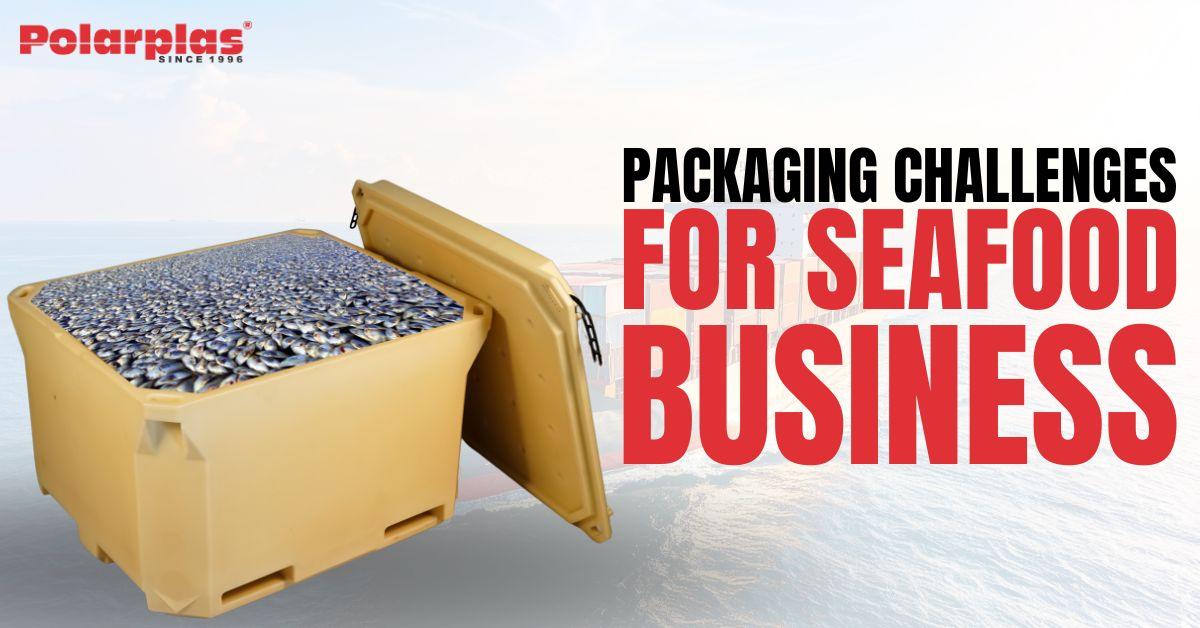
Export Packaging Challenges for Seafood Businesses in Ho Chi Minh City
Ho Chi Minh City is one of the biggest seafood export hubs in Vietnam. Every day, fresh fish, shrimp, crabs, and other seafood products are packed and sent to countries all over the world. These products travel long distances by road, sea, and air. For Seafood Businesses, this journey is not easy. Seafood is very sensitive. It needs the right temperature, clean handling, and strong protection at every step.
Export packaging plays a very important role in this process. If packaging fails, the product quality drops, buyers complain, and businesses face heavy losses. This is why seafood businesses in Ho Chi Minh City face many packaging challenges while exporting their goods to global markets.
Why Export Packaging Is Critical for Seafood Businesses
Seafood is different from many other products. It can spoil very fast if the temperature changes. Even a small delay or weak container can cause big damage. For Seafood Businesses, packaging is not just about covering the product. It is about protecting their freshness, weight, and quality.
When seafood leaves Ho Chi Minh City, it may take many days to reach its destination. During this time, the product may face heat, humidity, rough handling, and long storage. Export packaging must be strong enough to handle all these conditions. If the packaging is weak, seafood can leak, smell bad, or lose its texture. This creates problems for exporters and their customers.
Temperature Control Is the Biggest Challenge
One of the biggest problems Seafood Businesses face is keeping the right temperature. Seafood must stay cold from the factory to the final buyer. If the temperature rises, bacteria grow fast. This makes the product unsafe.
Many exporters struggle because of poor insulation or low-quality containers. Ice melts quickly, water leaks, and temperature rises. This is very risky during long export routes. Seafood Businesses need insulated containers that can hold cold temperatures for many hours. Without proper cold chain packaging, exporters face rejected shipments and damaged reputation.
Leakage and Moisture Problems During Export
Seafood contains water and ice. During export, melting ice can cause leakage. If packaging is not designed properly, water leaks out and damages other boxes. This also creates hygiene issues.
For Seafood Businesses, leakage is a serious concern. Buyers do not accept wet or damaged cartons. Airports and shipping companies also reject leaking packages. This leads to delays and extra costs. Strong insulated boxes with proper sealing help reduce this problem. Good packaging keeps moisture inside and protects the outer surface.
Hygiene and Cleanliness Standards in Global Markets
Global seafood buyers follow strict hygiene rules. They expect clean, safe, and food-grade packaging. Traditional packaging materials often absorb water and smell. This is not acceptable in international trade.
Seafood Businesses in Ho Chi Minh City must meet these hygiene standards to stay competitive. Export packaging should be easy to clean and resistant to bacteria. Plastic insulated containers made from food-grade material help maintain cleanliness. They do not absorb water or odor and can be reused safely.
Damage During Handling and Transportation
Export shipments are handled many times. Boxes are loaded, unloaded, stacked, and moved by forklifts. Rough handling is common, especially during long export journeys. Weak packaging can crack or break.
For Seafood Businesses, damaged packaging means damaged products. Broken boxes lead to contamination and loss of weight. This affects pricing and trust. Strong rotational moulded containers are designed to handle heavy loads and rough movement. They protect seafood even in tough export conditions.
Weight Loss and Product Value Loss
Seafood is sold by weight. During export, melting ice and poor insulation can cause weight loss. This directly affects profit. Even a small weight loss across large shipments can create big financial impact.
Seafood Businesses face this issue often when using low-quality packaging. Better insulated containers reduce ice melting and keep weight stable. This helps exporters deliver the right quantity and maintain buyer trust. Good packaging protects not just the product, but also the business value.
Compliance With Export and Import Regulations
Different countries have different import rules. They require proof that seafood was kept at safe temperatures. If exporters cannot show proper handling, shipments can be delayed or rejected.
Seafood Businesses need packaging that supports compliance. Reliable cold chain containers help maintain temperature records and product safety. This makes inspections easier and builds confidence with international buyers. Strong export packaging reduces legal and regulatory risks.
Rising Export Costs Due to Poor Packaging Choices
Poor packaging increases costs in many ways. Products get damaged, shipments get rejected, and replacements are needed. Extra ice, extra wrapping, and extra labor also increase expenses.
For Seafood Businesses, choosing the right packaging from the start helps control costs. Durable insulated containers last longer and reduce repeated spending. They improve efficiency and reduce waste. Over time, better packaging saves money and improves margins.
How PolarPlas Helps Seafood Businesses Overcome These Challenges
PolarPlas offers insulated containers and cold chain solutions designed for seafood export. These containers are built to handle long-distance shipping, temperature control, and rough handling. They help maintain freshness, reduce leakage, and protect product quality.
For Seafood Businesses in Ho Chi Minh City, PolarPlas solutions provide strength, hygiene, and reliability. The containers are made from food-grade materials and support global export standards. They help exporters ship seafood with confidence and protect their brand image.
The Future of Seafood Export Depends on Better Packaging
The global demand for Vietnamese seafood is growing. Buyers want fresh, safe, and high-quality products. To meet this demand, Seafood Businesses must improve their export systems. Packaging is a key part of this improvement.
By investing in strong insulated containers and reliable cold chain solutions, Seafood Businesses in Ho Chi Minh City can reduce risks and grow faster. Better packaging leads to fewer losses, happier buyers, and stronger global partnerships. In the long run, the right packaging helps seafood exporters succeed in competitive international markets.
